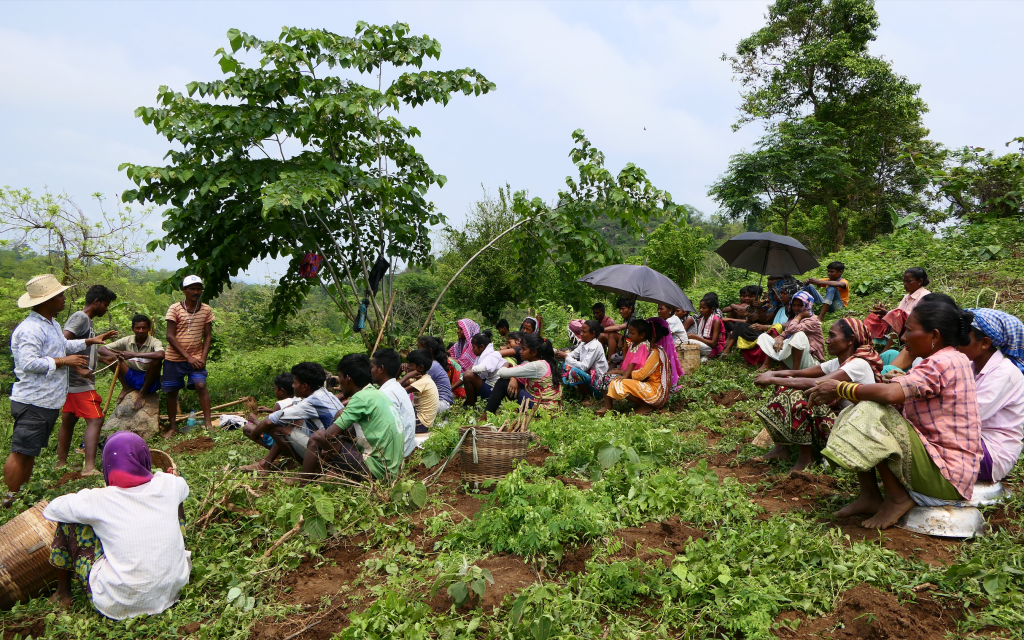
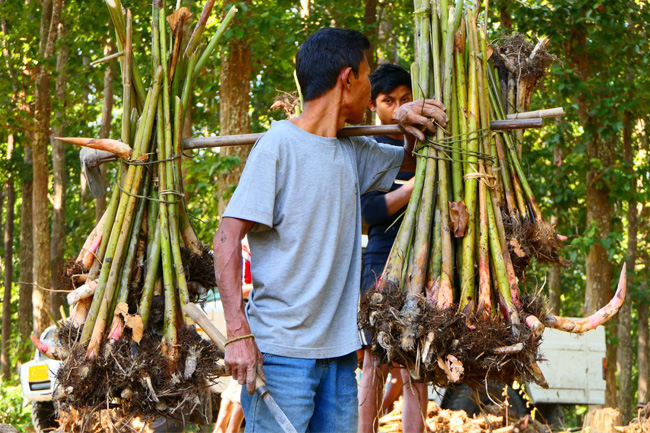
As mentioned earlier, one of our core beliefs is to help empower rural communities to manage humanelephant conflict and manage the subsequent losses that are associated with it. Our community skill development and training program mainly focuses on agriculture-based vocational training such as bee-keeping, animal husbandry, agroforestry practices etc. The purpose of this training program is to help enrich and elevate local skillsets and support local communities to enhance their livelihoods and businesses. By doing so, we empower communities affected by human-elephant conflict to manage their losses effectively and find additional livelihood opportunities that benefit them economically and socially.
Our ongoing skill development and training workshops focus on developing vocational skills and improving livelihood opportunities for rural communities living in fringe areas. Often, due to lack of good employment opportunities, exposure, training, and consistent income – communities living in remote forest areas resort to illegal activities such as logging, poaching, and stone quarrying. These illegal activities impede conservation efforts and cause a major threat to the sustenance of natural habitats and local wildlife. Moreover, many rural and marginalized communities experience substantial economic losses due to crop and property damage caused by elephants. Such losses often fuel aggression and violence towards elephants.
To address this, we have – and continue to – organize workshops in the fringe areas of Chapanala, located in Assam’s Nagaon district, to empower isolated and low- income communities through vocational skill development and training workshops three days a week. Hati-Bondhu provides agriculture-based training with government-supported schemes and facilities to help create better economic opportunities for those who require it and are economically affected by human-elephant conflict. Our community skill development and training program is ongoing and we aim to continue improving the livelihood status of rural communities and help mitigate economic losses sustained from human-elephant conflict.