01
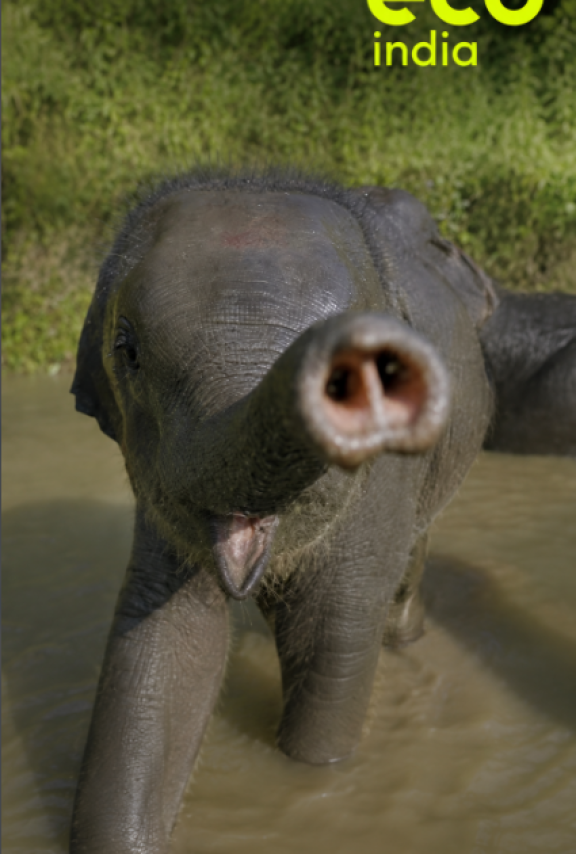
Eco India: How communities in Assam ensure food security for wild elephants to end conflict
Watch Now →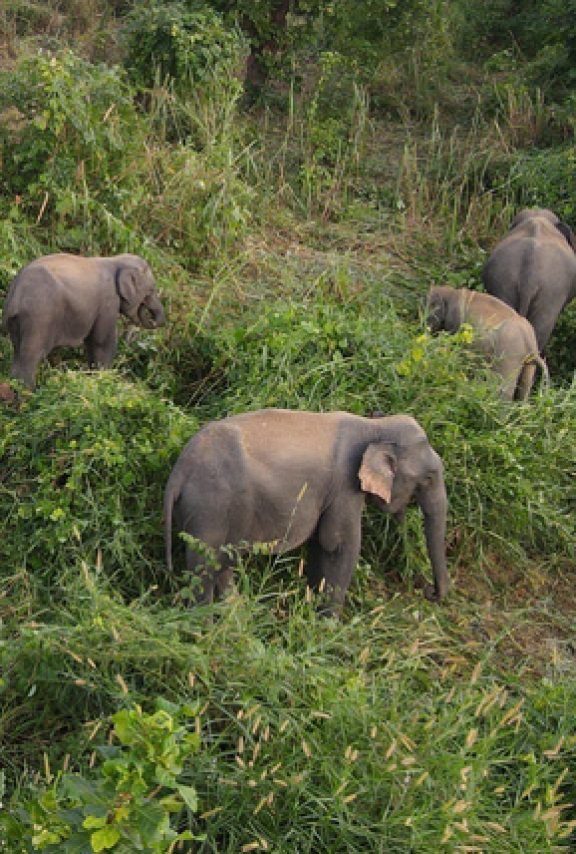


“
MESSAGES
Thoughts from
a hati bondhu
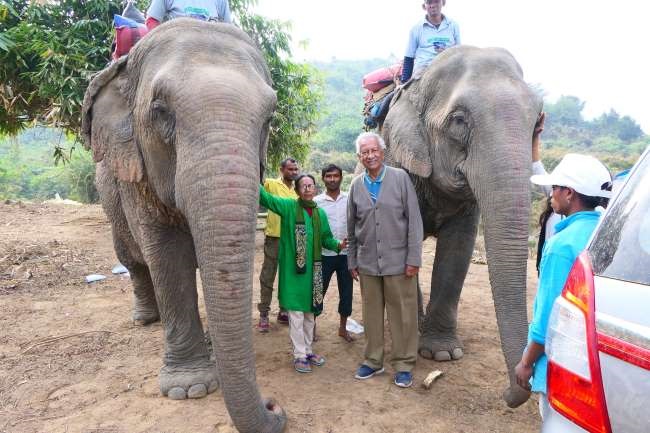
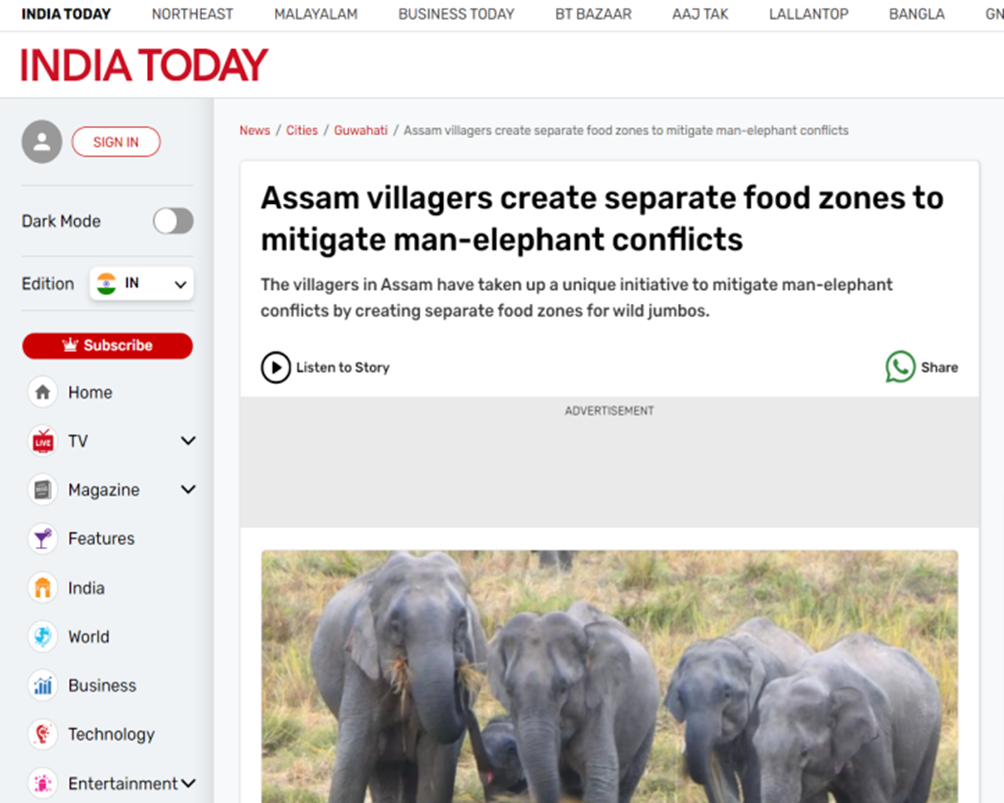
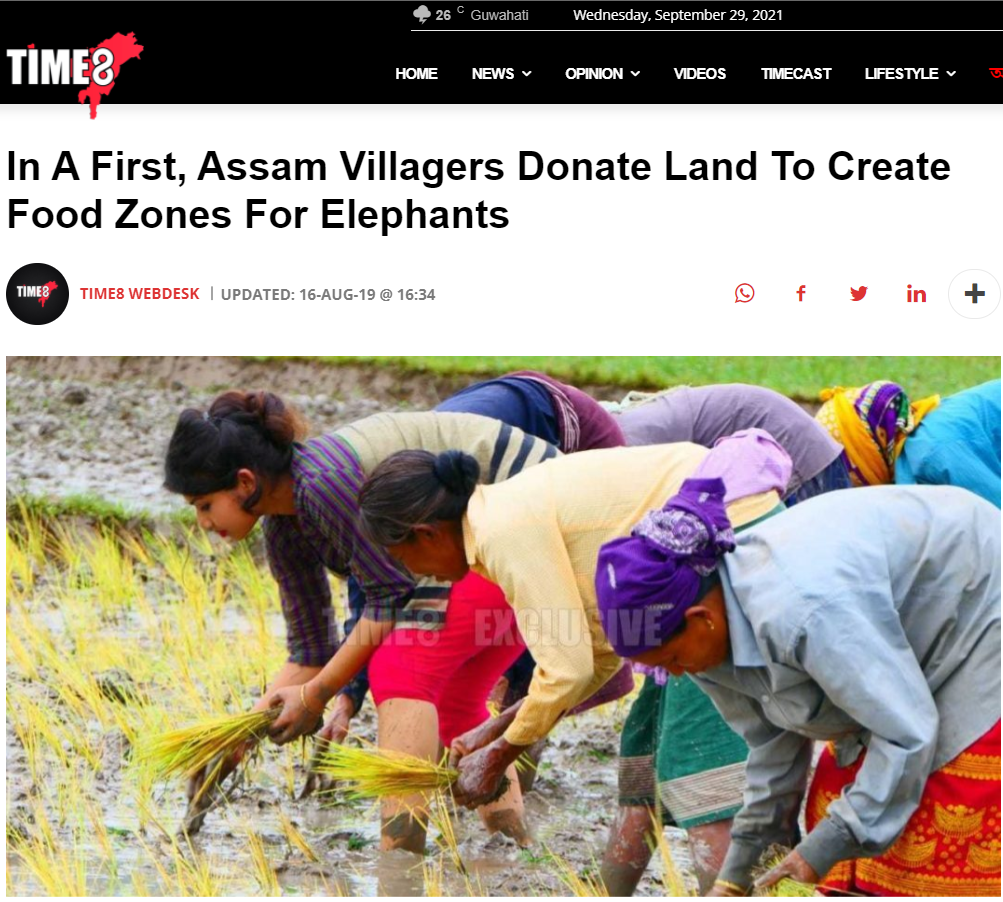
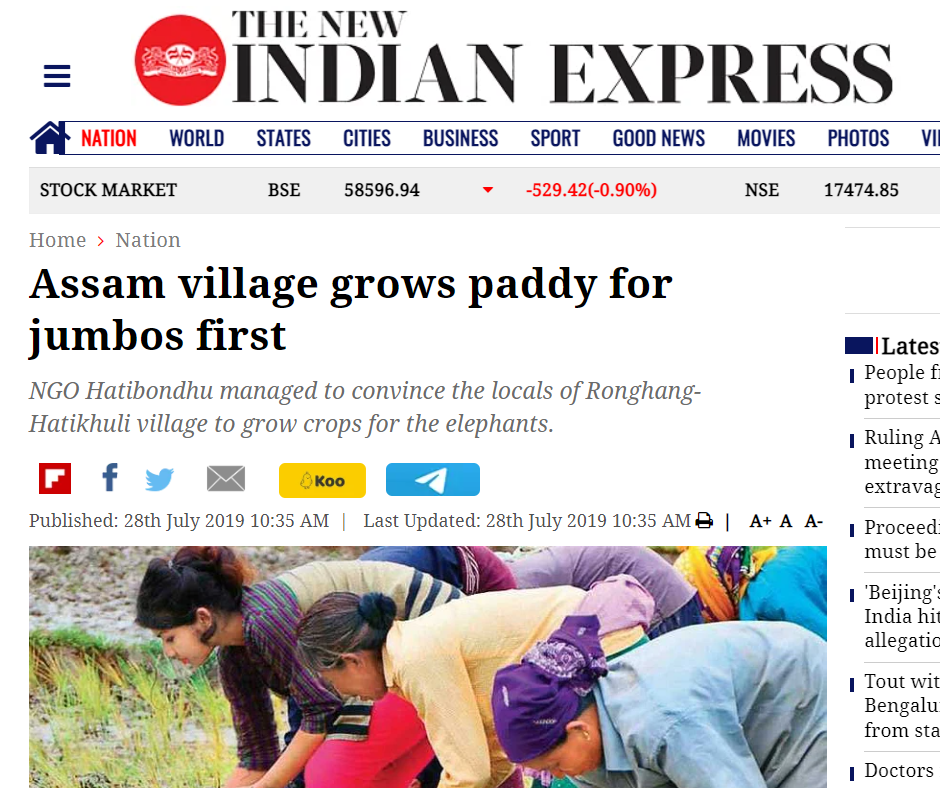
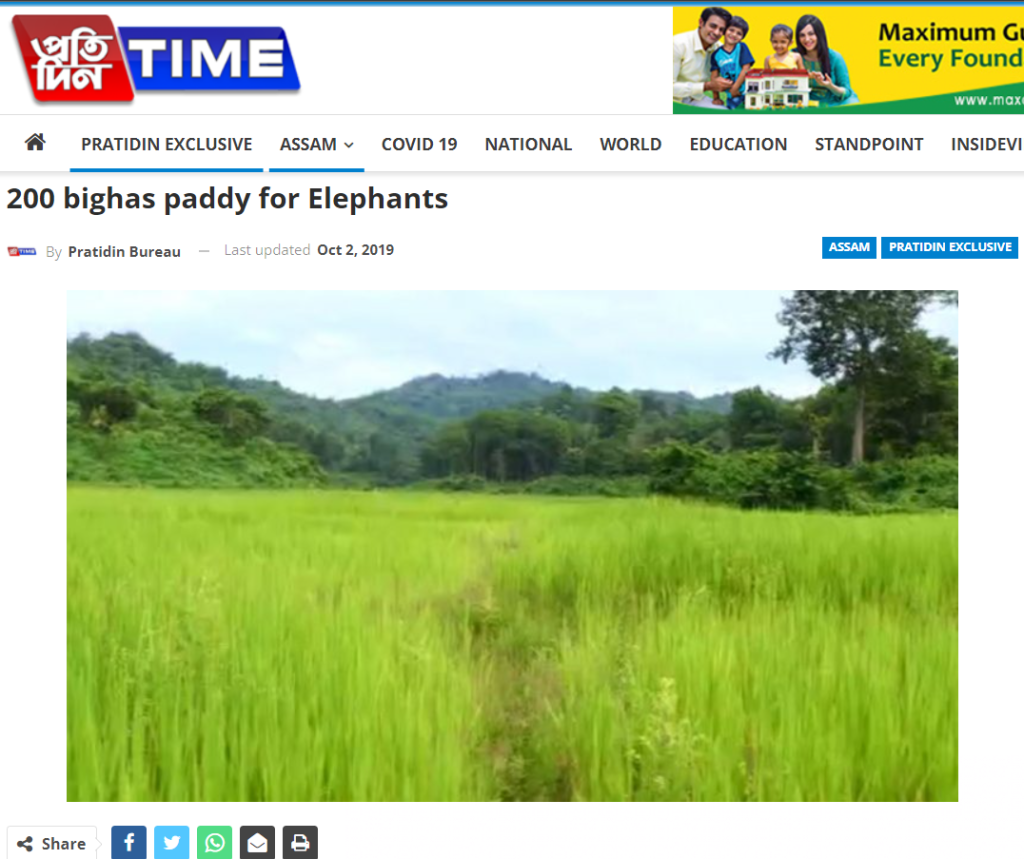
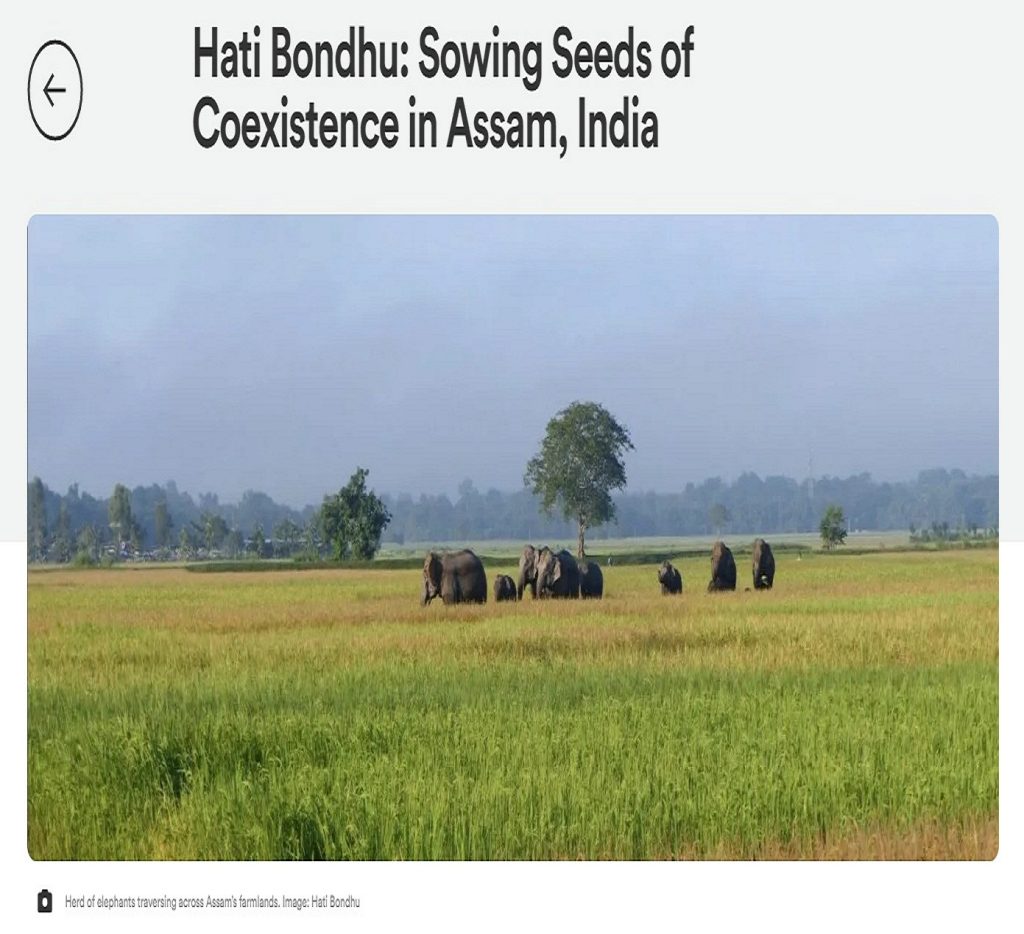
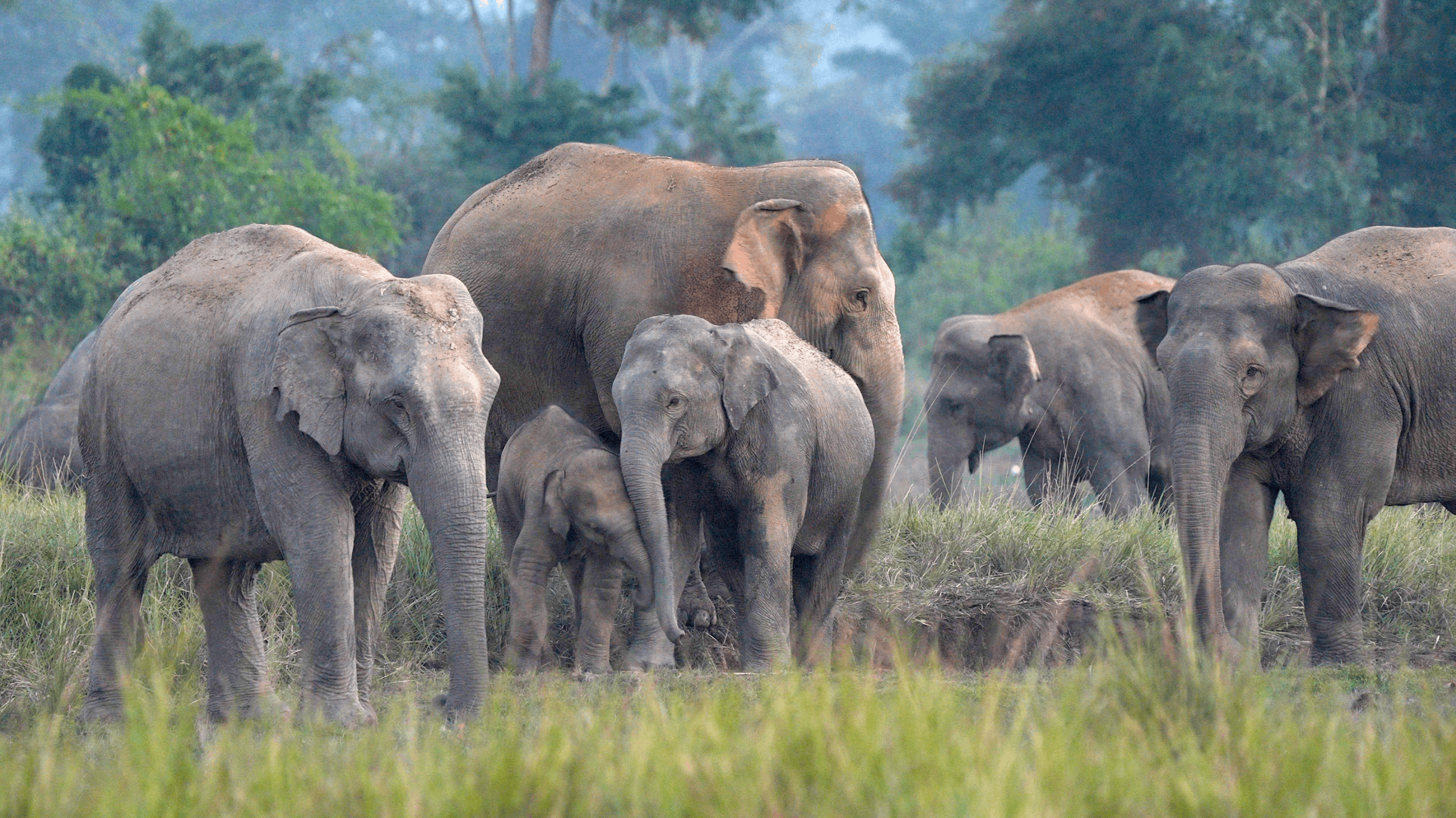
a nonagenarian and an environmentalist, alongside my team at HatiBondhu Assam, are on a mission to ensure the survival of wild elephants by addressing the depleting food security experienced by elephants in the region. To address this concern, we are planting fast-growing grasses like Napier and Broom grass in elephant habitats and are also planting favourable fruit trees like bananas, jack-fruits, elephant apples to supplement long-term habitat improvement. We also, in collaboration with rural communities, have started paddy plantations for elephants – as paddy has been the major source of conflict between locals and elephants during the harvesting period (Nov-Jan) annually. All activities undertaken by our organization are fueled by our love for elephants and support from our local partners – the community. In our folklore, elephants are called Sarabjans – meaning the wisest and cleverest, and we believe that such a title is befitting for elephants as they are highly intelligent and sophisticated social animals. Through our interactions with elephants on the field, we have learned to understand them as they have learned to understand us. Today, the relationship between elephants and humans are marked by violence, conflict, and intolerance. We have encroached upon their spaces, destroyed their habitats, and depleted their food sources. To mitigate conflict and prevent further depredation of the long-standing relationship between man and elephant – we need to change our attitudes towards elephants and nature. We must learn to empathize and sympathize with elephants and show our ability to co-exist through our actions. From my personal experiences, I confidently can say that if we can demonstrate compassion and tolerance towards our gentle giants, they will reciprocate in incredible ways. My hope for the future is that humans and elephants learn to co-exist and develop a symbiotic relationship that sustains our survival as well as theirs. I believe that ‘love is the essence of conflict resolution’ – especially between humans and elephants.
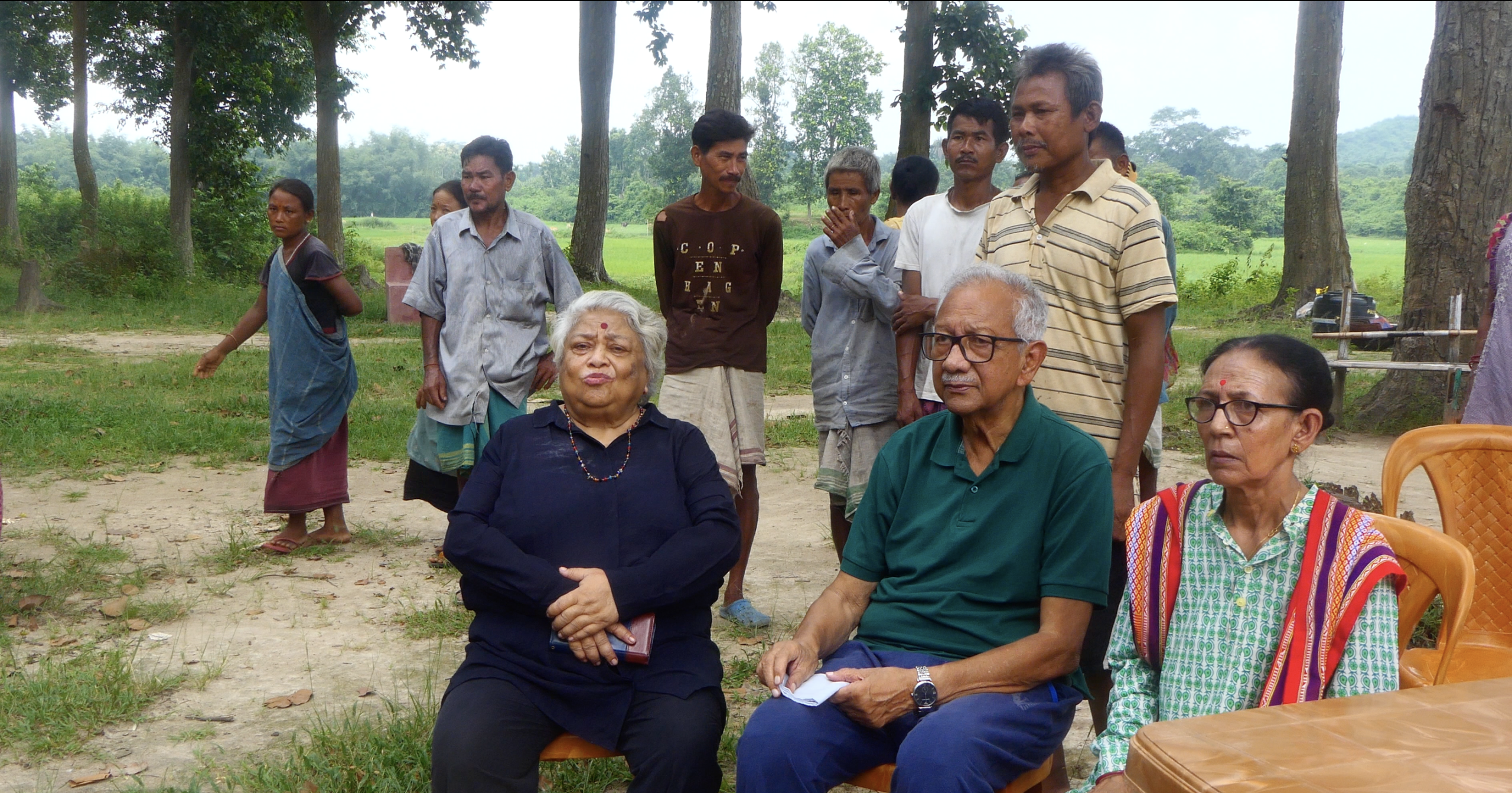
A true daughter of the soil, Prof. Shiela Bora was born in Jorhat on 1/4/1948 to illustrious parents. Her father Late Prabhakar Barua, IFS, was the first Assamese Chief Conservator of Forests of undivided Assam while her mother, Late Dr. Labanya Barua was an MBBS from Calcutta University. Her husband, Mahesh Chandra Bora, a graduate in Mining Engineering from IIT (ISM), Dhanbad, retired as a Chief General Manager of Coal India. Professor Bora started her career by dedicating her life to academics and serving in the Department of History, Dibrugarh University for long thirty-two years from 1976 to April, 2008.